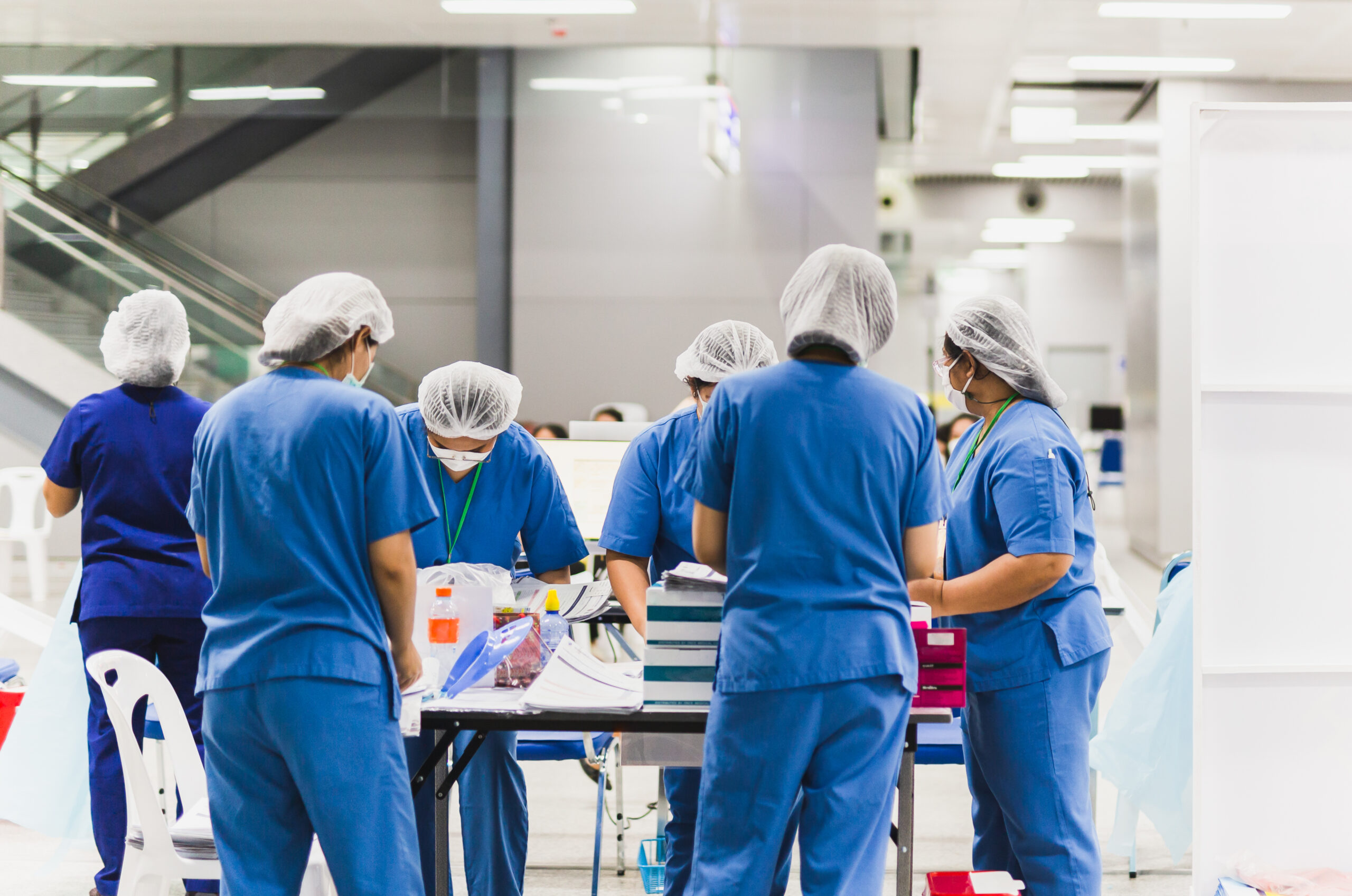
When I think about my journey in nursing, I often reflect on how much the field has changed over the years. From my early days working in research labs to caring for patients in dialysis units, home healthcare, and medical-surgical wards, I’ve witnessed firsthand the incredible ways that innovation and research shape the care we provide. Nursing is not just about following procedures; it’s about constantly learning, adapting, and finding new ways to improve outcomes for patients.
From Research Labs to the Bedside
My career began in biomedical research, where I worked as a research assistant at the Boston Biomedical Research Institute and Massachusetts General Hospital. Those years taught me the value of curiosity, meticulous attention to detail, and the importance of asking questions. Research is all about exploring possibilities—trying new methods, testing ideas, and sometimes learning from what doesn’t work.
Transitioning from the lab to patient care brought a new perspective. In dialysis units, home healthcare, and medical-surgical nursing, I could see the real-world impact of clinical research. Innovations that started as experiments in a lab often became life-changing procedures for patients. That connection between research and patient outcomes is one of the things I love most about nursing—the ability to take scientific discoveries and translate them into tangible, meaningful care.
Innovations That Have Changed Nursing
Over the years, I’ve seen remarkable innovations in our field. Advances in medical devices, electronic health records, patient monitoring systems, and perioperative techniques have transformed the way nurses work and how patients experience care. When I first began, we relied heavily on paper charts, manual monitoring, and procedures that required more guesswork than data-driven decisions. Today, technology allows us to track patient vitals in real time, prevent complications, and communicate more efficiently with the entire care team.
Perioperative nursing, in particular, has benefited tremendously from research. Techniques and protocols are continually refined to improve safety and recovery. I’ve had the opportunity to earn a perioperative nursing certificate and apply new evidence-based practices in clinical settings, helping patients navigate surgery with better outcomes and less anxiety. Witnessing these improvements over time has been both inspiring and motivating.
The Role of Lifelong Learning
One thing I’ve learned is that nursing is a profession of constant education. From my ADN at Quinsigamond Community College to a BS at Worcester State College and an RN refresher at Boston College, each step has reinforced that staying current is essential. Clinical research doesn’t just happen in labs—it happens in hospitals, nursing homes, and patients’ homes every day. Nurses observe, collect data, and implement changes that can spark larger studies and innovations.
Patient-Centered Innovation
What excites me most about nursing innovations is their direct impact on patients. Every new tool, protocol, or research finding has the potential to make a patient’s experience safer, more comfortable, and more dignified. I think of the dialysis patients I’ve cared for, the individuals receiving home healthcare, or those recovering from surgery—innovations in infection control, monitoring, and personalized care plans have made a real difference in their quality of life.
Even small innovations, like improving medication administration procedures or refining patient education materials, can have a profound impact. Nursing is a profession where thoughtful observation and creative problem-solving can lead to meaningful change, and that’s what keeps me passionate about the work I do.
Bridging Research and Community Care
One of the most rewarding aspects of my career has been seeing how research and innovation extend beyond hospitals and labs into community care. Volunteering with organizations that provide medical services abroad or serving as a mentor and host for international students has shown me that even in limited-resource settings, knowledge and innovation can dramatically improve outcomes. Sharing research-based practices and teaching others how to implement them ensures that progress is not confined to one institution or country—it spreads and benefits many.
Looking Ahead
As nursing continues to evolve, I remain excited about the possibilities ahead. Advances in technology, telehealth, personalized medicine, and interdisciplinary collaboration promise to change the landscape even further. For me, staying engaged in both research and clinical practice ensures that I can continue to learn, grow, and contribute to meaningful improvements in patient care.
Reflecting on my career, I realize that nursing innovations and clinical research are not just about new devices or procedures—they are about curiosity, empathy, and the courage to try new approaches for the benefit of others. Nursing has given me the opportunity to witness change firsthand, to be a part of it, and to help shape it in ways that directly touch people’s lives. It’s a privilege I never take for granted.
If there’s one thing I’ve learned, it’s that innovation is at the heart of nursing. Every patient we care for, every procedure we refine, and every study we contribute to has the potential to improve lives. For nurses, staying curious, asking questions, and embracing new knowledge isn’t optional—it’s essential. And for me, that journey of continuous learning and application has been one of the most fulfilling aspects of my life and career.